Key takeaways
- Electrical, plumbing, gas and structural work usually needs a permit.
- Inspections happen at set stages before walls are closed.
- Permits protect your safety and your resale.
- Always confirm requirements with your local permit office.
When permits are needed
Most permit offices require permits for new circuits, moving plumbing or gas lines, removing or altering walls and changing windows or doors. Cosmetic work such as painting or replacing cabinets in the same layout may not. Rules vary by city and county.
Metro Nashville Codes and other local offices publish guidance.
Who handles the permit
Often the contractor or the trade doing the work pulls the permit. Make sure it is in someone's name and that you receive copies. Unpermitted work can complicate insurance claims and selling a home.
Ask your remodeler how permits are handled.
Inspections
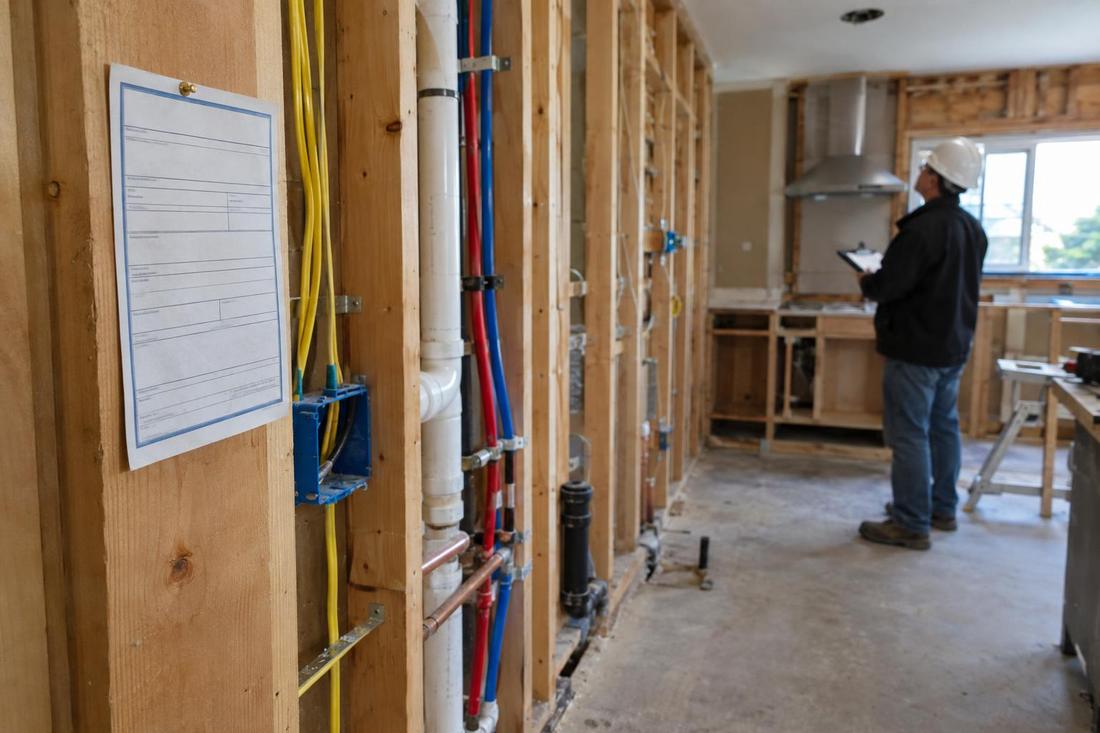
Inspections happen at stages such as rough electrical and plumbing, framing and final. Work cannot be covered until it passes. Scheduling inspections takes planning, so build them into the timeline.
Keep the permit card on site for inspectors.
Avoiding delays
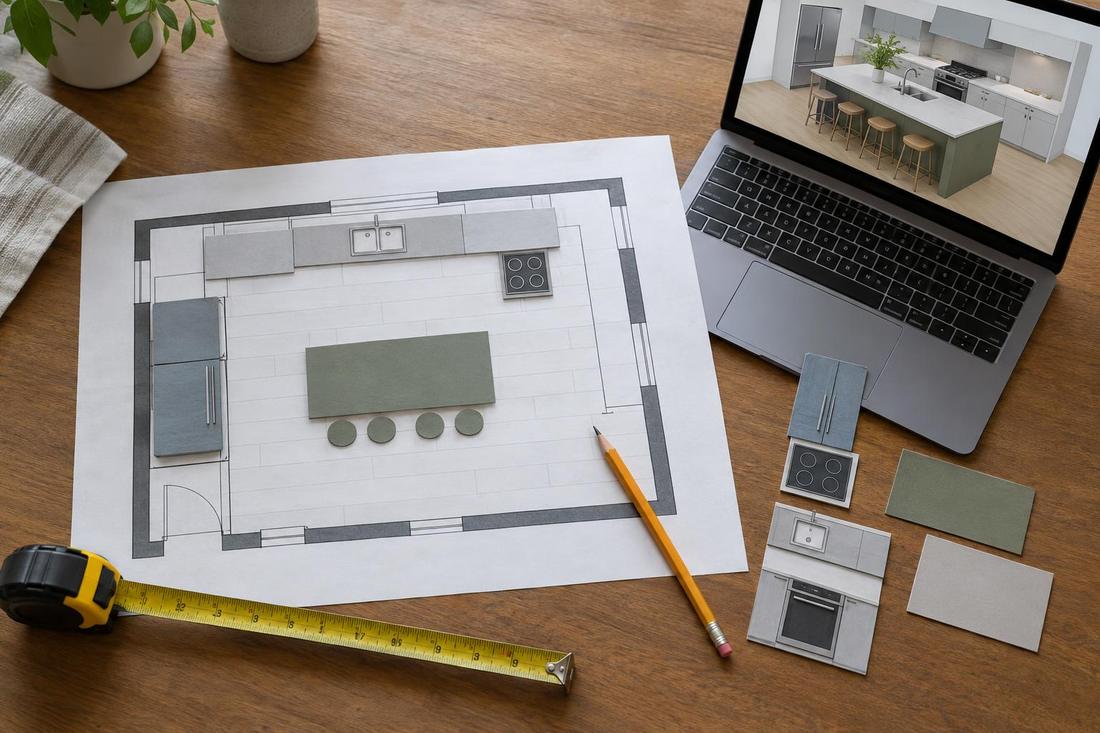
Delays often come from incomplete applications, missing drawings and failed inspections. A clear plan, accurate drawings and qualified trades reduce them. Respond quickly to reviewer questions.
Keep records of permits and approvals in a folder.
Official sources and further reading
- Metro Nashville Codes
- Tennessee Department of Commerce & Insurance: Contractors
- National Association of Home Builders
These are independent organizations. Links open in a new tab.
Quick answers
Do I need a permit to replace cabinets?
Often not if nothing else changes, but check with your local office.
What happens if I skip a permit?
You risk fines, failed inspections and problems when you sell or file an insurance claim.